English
- English
- Español
- Português
- русский
- Français
- 日本語
- Deutsch
- tiếng Việt
- Italiano
- Nederlands
- ภาษาไทย
- Polski
- 한국어
- Svenska
- magyar
- Malay
- বাংলা ভাষার
- Dansk
- Suomi
- हिन्दी
- Pilipino
- Türkçe
- Gaeilge
- العربية
- Indonesia
- Norsk
- تمل
- český
- ελληνικά
- український
- Javanese
- فارسی
- தமிழ்
- తెలుగు
- नेपाली
- Burmese
- български
- ລາວ
- Latine
- Қазақша
- Euskal
- Azərbaycan
- Slovenský jazyk
- Македонски
- Lietuvos
- Eesti Keel
- Română
- Slovenski
- मराठी
- Srpski језик

Customized 750ml Glass Liquor Bottles for Premium Spirit Packaging
750ml Bottle Design & Customization
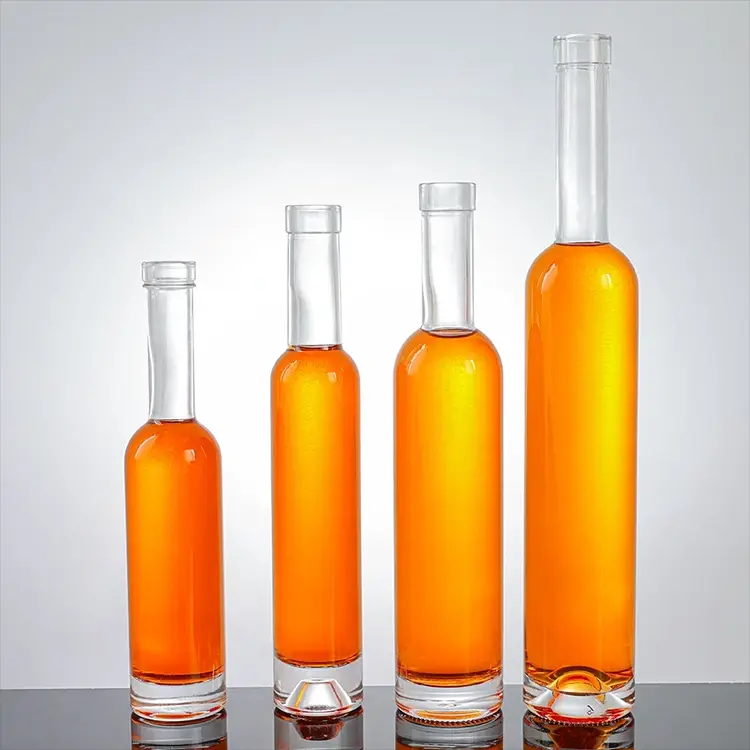
The 750ml format is commonly used for whisky, vodka, gin, rum, brandy, liqueurs, and other spirits. When developing a bottle in this size, the nominal capacity is only the starting point. Overall height, body diameter, shoulder profile, base thickness, neck finish, bottle weight, and packing dimensions all need to be considered together.
HYT Packaging manufactures 750ml Glass Liquor Bottles in China, with standard designs available alongside custom bottle development. Production specifications can be based on an existing bottle, a physical sample, a technical drawing, or a new design concept.
Size, Shape and Proportion
A 750ml bottle does not have a fixed external shape. Round, square, rectangular, oval, and specially shaped bodies can all be developed, provided the proposed dimensions are suitable for glass forming and the intended filling and packing conditions.
Changes to bottle height or diameter can affect label space, carton size, pallet arrangement, and handling. For this reason, the external dimensions are normally reviewed together with the packaging configuration rather than determined by capacity alone.
Neck and Closure
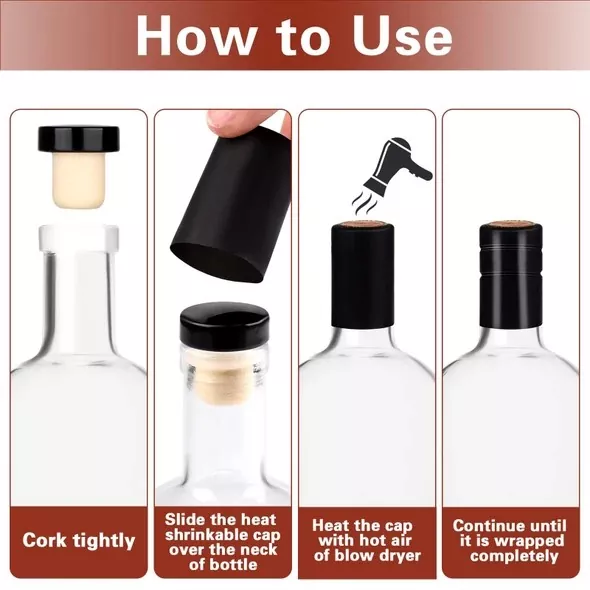
The neck finish is an important part of the bottle specification because it must correspond with the closure. Corks, stoppers, screw caps, and other closures require their own dimensional tolerances and matching neck finishes.
For a new project, the closure specification can be confirmed before mould production. When an existing bottle is being reproduced or modified, the neck and closure dimensions can also be checked against the reference sample.
Surface Decoration
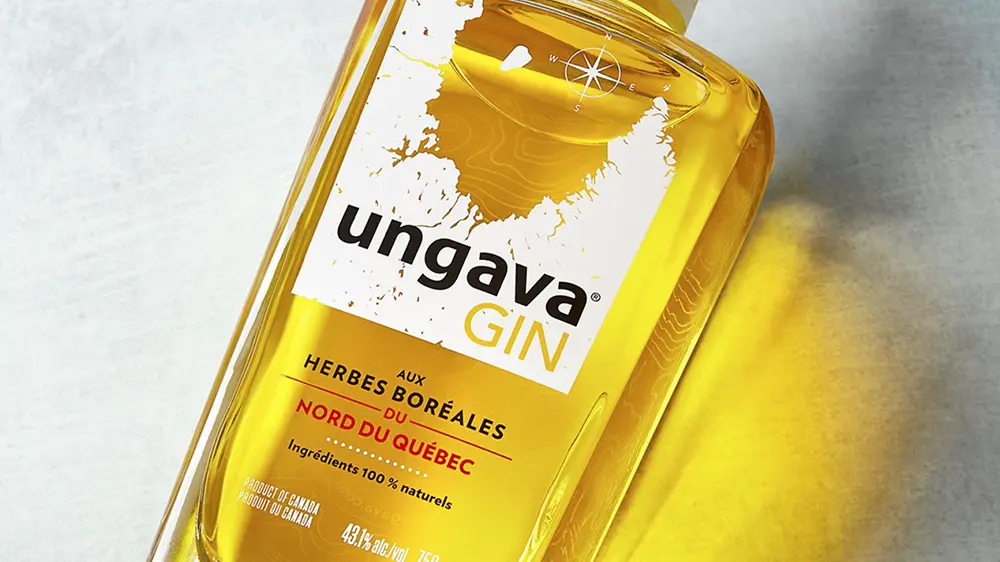
A standard bottle shape can be given a different appearance through surface decoration. HYT Packaging offers processes including screen printing, decals, hot stamping, frosting, metallic finishes, and electroplating.
The choice of process depends on the artwork, printing area, number of colors, surface effect, production quantity, and required finish. For custom decoration, a sample is normally useful for checking the actual result on the glass before production.
Custom Mould and Sampling
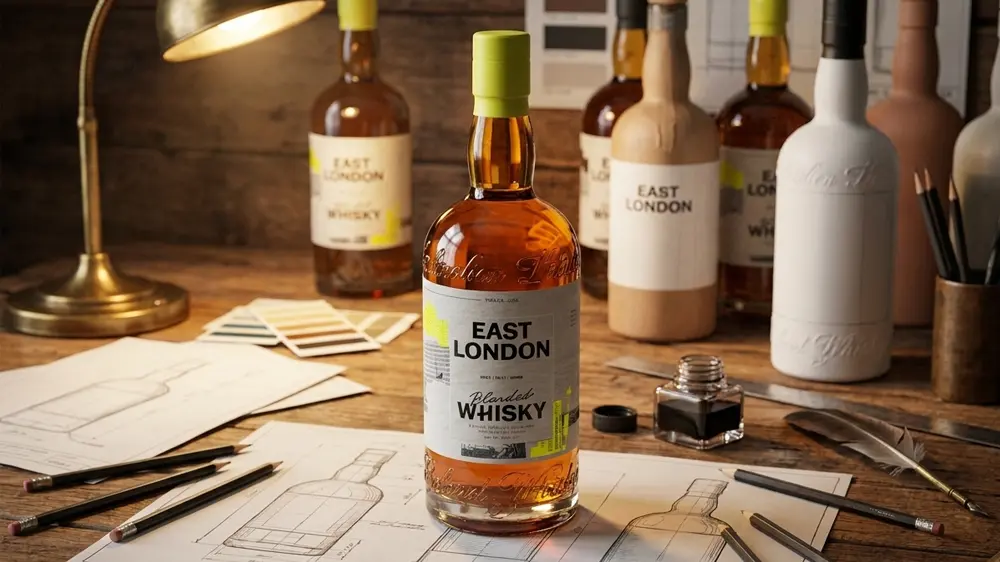
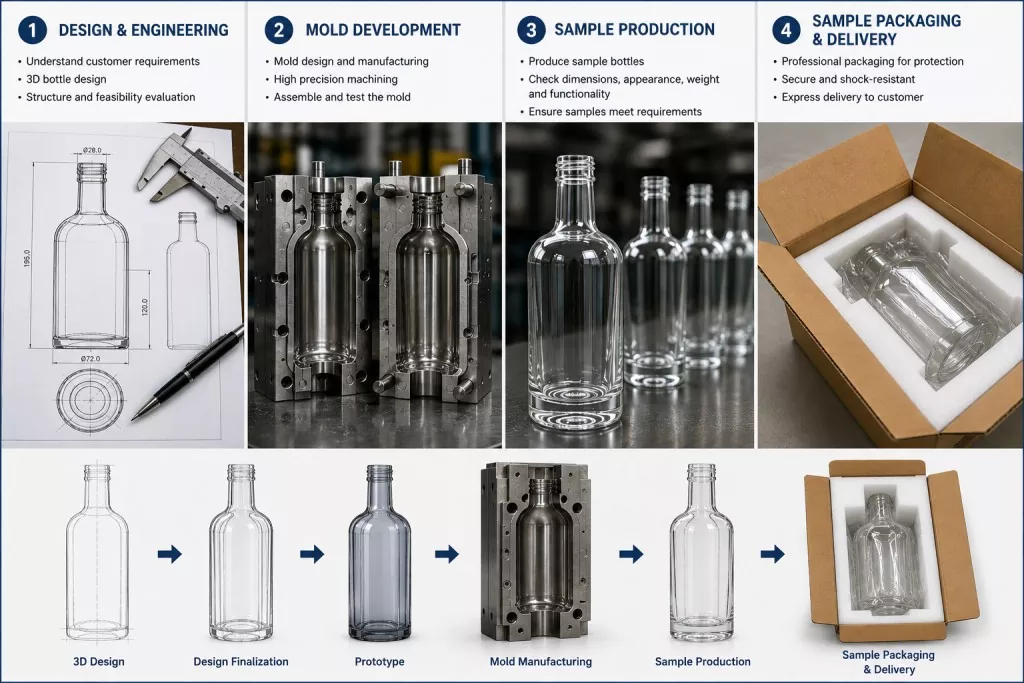
When an available bottle does not meet the required dimensions or appearance, a custom mould can be developed. Bottle drawings, reference samples, or preliminary concepts can be used as the starting point.
Before mass production, the bottle structure is reviewed and a sample mould can be produced for testing. The sample provides an opportunity to check dimensions, appearance, embossed or recessed details, neck specifications, and other features before the production mould is finalized.
Production and Inspection
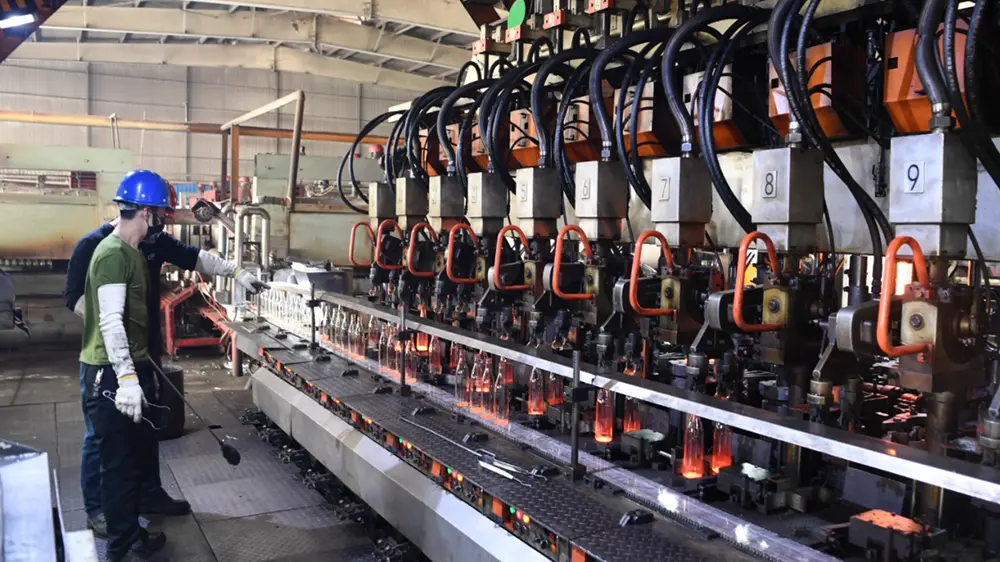
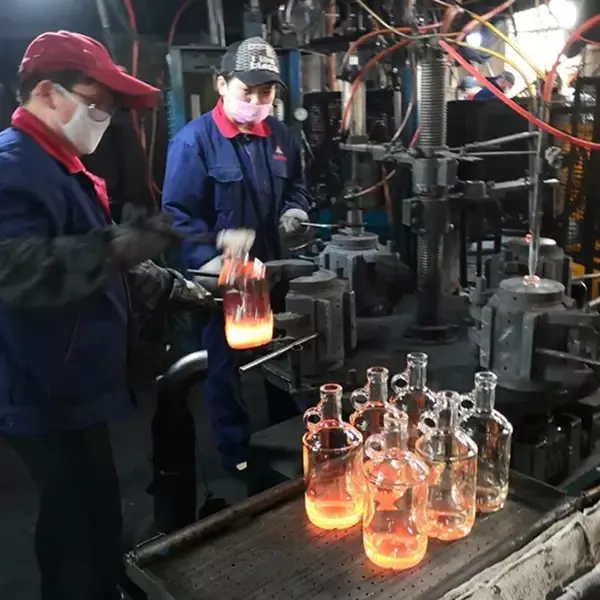
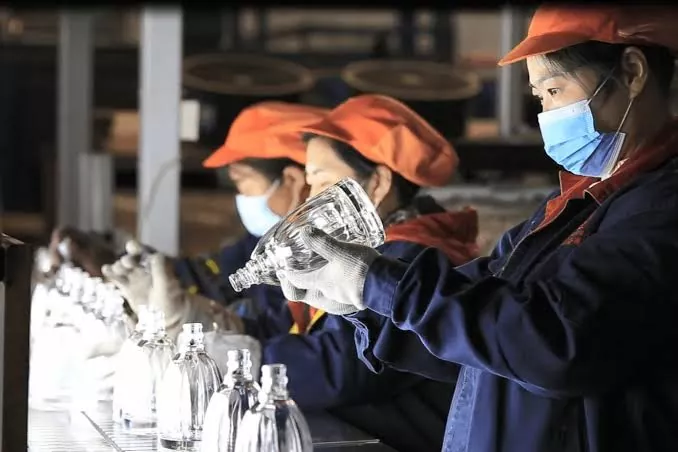
The production of a commercial glass bottle involves more than forming the required capacity. Dimensional consistency, bottle weight, appearance, glass defects, neck finish, and structural condition may all be included in the inspection requirements.
After glass forming and annealing, bottles can proceed to inspection and subsequent decoration where specified. Packing methods such as cartons, dividers, and pallets are selected according to the bottle design and transportation requirements.
Other Capacity Options
The 750ml format is one of several options used for spirits packaging. 375ml Glass Liquor Bottles are suitable for smaller formats, while Miniature Glass Bottles are used for samples, promotional packs, hospitality, and other small-volume applications. Products requiring a larger presentation can use 1L and Over Glass Bottles.
For projects based around 750ml Glass Liquor Bottles, confirming the bottle dimensions, closure, decoration, mould requirements, and packing method at the development stage helps establish a complete production specification before mass manufacturing.
FAQ
Can HYT Packaging develop custom 750ml glass liquor bottles?
Yes. Production specifications can be based on an existing bottle, a physical sample, a technical drawing, or a new design concept.
Can different bottle shapes be developed in 750ml?
Round, square, rectangular, oval, and specially shaped bodies can all be developed, provided the proposed dimensions are suitable for glass forming and the intended filling and packing conditions.
Can the neck finish be customized for different closures?
Yes. Corks, stoppers, screw caps, and other closures require their own dimensional tolerances and matching neck finishes. The closure specification can be confirmed before mould production.
Can HYT Packaging provide bottle decoration?
HYT Packaging offers processes including screen printing, decals, hot stamping, frosting, metallic finishes, and electroplating. A sample can be used to check the actual decoration result on the glass before production.
Can a sample mould be made before mass production?
Yes. A sample mould can be produced for testing before the production mould is finalized. Dimensions, appearance, embossed or recessed details, neck specifications, and other features can be checked at this stage.
What other capacities are available?
375ml Glass Liquor Bottles are suitable for smaller formats, Miniature Glass Bottles are used for samples and other small-volume applications, while 1L and Over Glass Bottles can be used when a larger presentation is required.
- View as
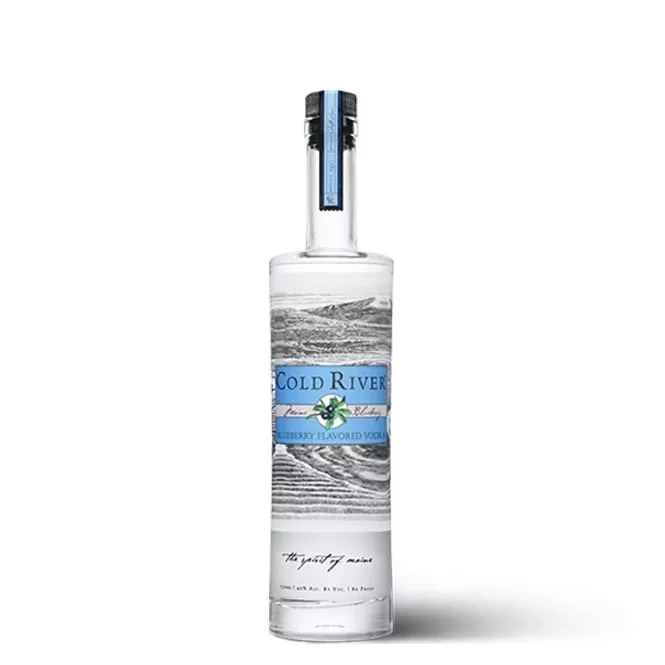
750ml Clear Round Glass Vodka Bottle with T-Cork
750ml Clear Round Glass Vodka Bottle with T-Cork features a cylindrical clear glass body and T-cork closure for vodka, gin, whiskey, liqueurs, and other non-carbonated distilled spirits. Its smooth round surface can be used for labels and bottle decoration. HYT Packaging offers standard and customized options, including decoration, closure matching, and bulk order support.
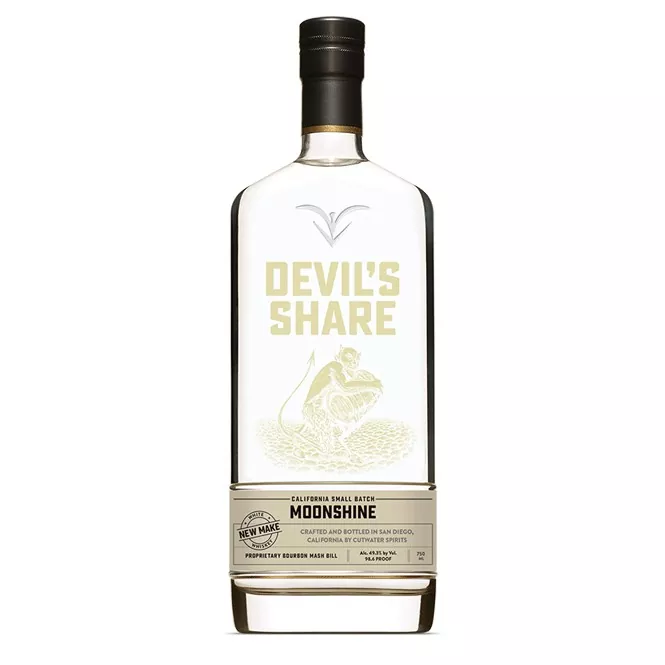
750ml Glass Square Moonshine Whiskey Bottle with T-Cork
Designed for craft spirits that need a more distinctive package, the 750ml Glass Square Moonshine Whiskey Bottle with T-Cork combines a rounded square body, weighted base and traditional T-cork closure in one stock bottle format. The broad flat panels provide practical space for front and back labels, while the shoulder area can be customized with embossed or debossed branding. It is suitable for moonshine, bourbon, whiskey and other non-carbonated spirits, with optional closure and decoration services available for wholesale and private-label projects.
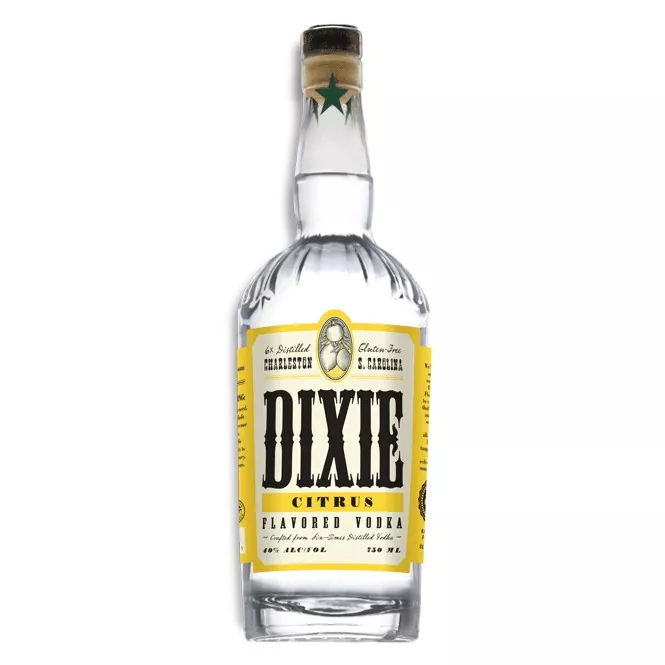
750ml Whisky Vodka Gin Spirits Glass Bottle
HYT Packaging is a professional glass bottle manufacturer supplying 750ml Whisky Vodka Gin Spirits Glass Bottle solutions for whisky brands, distilleries, private label producers and beverage distributors worldwide. Designed for whisky, vodka, gin, brandy and other spirits, this clear glass bottle features a classic cylindrical shape, stable heavy base and customizable embossed decoration. HYT supports OEM customization, logo embossing, surface finishing and bulk production with reliable manufacturing capability and quality control.
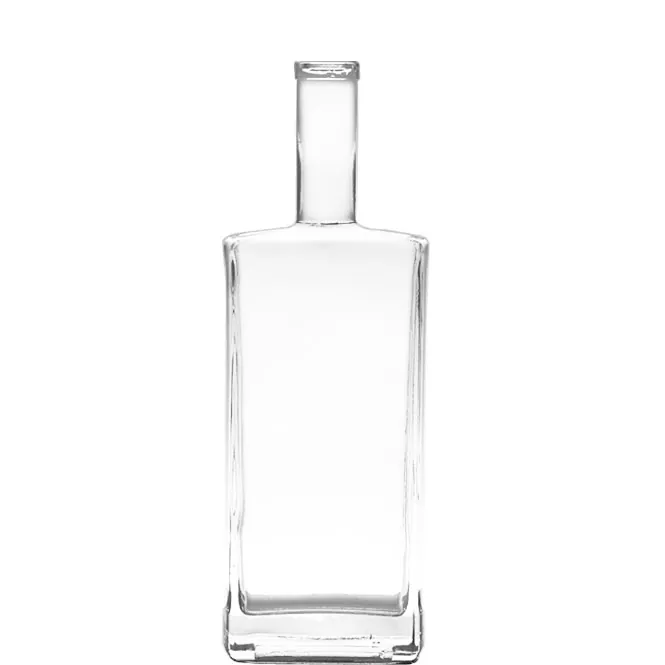
750ml Empty Square Clear Glass Liquor Bottle
750ml Empty Square Clear Glass Liquor Bottle from HYT Packaging has a square body made from clear flint glass, with a thick base for added stability. Its flat side panels can be used for labels, logos, screen printing, or other decoration. The bottle is available for whisky, vodka, gin, and other spirit packaging, with custom mould and decoration options available for bulk production.
HYT Packaging is a professional 750ml Glass Liquor Bottles manufacturer and supplier in China. Welcome to import quality products from our factory here.
News Recommendations